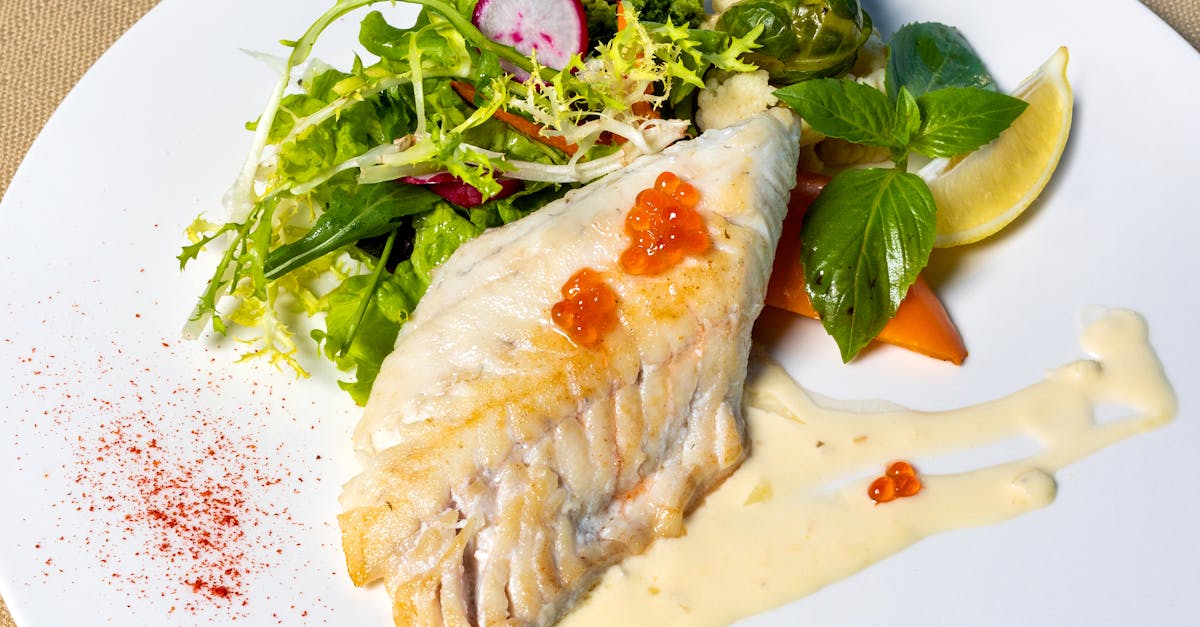
Mild Flavour and Firm Texture
Haddock is renowned for its subtle and delicate taste, making it an ideal choice for those who prefer flavours that are not overwhelming. This mild flavour allows it to pair exceptionally well with a variety of seasonings, marinades, and cooking methods. Whether baked, grilled, or fried, haddock maintains its integrity and does not overshadow the accompanying ingredients. This characteristic makes it a versatile option in the kitchen.
The firm texture of haddock complements its flavour profile. When cooked, it holds together well, providing a satisfying bite and stability in dishes. This quality is particularly advantageous when preparing meals that involve flipping or serving, as it remains intact and visually appealing. The combination of mild taste and firm texture makes haddock an attractive canvas for culinary creativity.In addition to looking for recognised certifications, such as those from the Marine Stewardship Council (MSC) or the Aquaculture Stewardship Council (ASC), consumers should consider the fishery’s practices. Reading about the management and conservation strategies employed by the fisheries can provide deeper insight into their environmental impact. Recognising labels that promote responsible fishing and aquaculture can help make informed choices that support sustainable practices.
Comparison with Other Popular FishCertifications that Reflect Sustainable Practices
Haddock stands out against other popular fish like cod and salmon, primarily due to its unique taste and texture. While cod is known for its flaky nature, haddock offers a firmer bite that many find appealing. The mild flavour of haddock also provides versatility, allowing it to absorb marinades and spices effectively, making it a favourite choice for diverse culinary applications. Sustainable practices in fishing are crucial for maintaining fish populations and protecting marine ecosystems. Various certifications provide assurance that the haddock fillet has been sourced from fisheries adhering to responsible fishing methods. The Marine Stewardship Council (MSC) label is widely recognised, indicating that the fish has been caught in a manner that allows fish stocks to remain healthy and ecosystems to thrive. Another important certification is the Aquaculture Stewardship Council (ASC), which focuses on responsibly farmed seafood, ensuring minimal impact on the environment and promoting social responsibility.
When comparing salmon, which has a richer, oilier taste, haddock's lightness can be refreshing. Salmon is often lauded for its omega-3 fatty acids, but haddock still delivers a valuable nutritional profile without the higher levels of fat. This makes haddock not only a healthier option for those watching their intake but also a convenient choice for quick, satisfying meals.When examining these labels, it's important to consider the criteria used for certification. Not all certifications are created equal; some may require more stringent assessments than others. Consumers should look for specific details regarding the sustainability practices involved in the fishing or farming process. Transparency in these areas contributes to informed decisions, enabling shoppers to support environmentally sound practices while enjoying their seafood. The prominence of such labels can influence purchasing decisions, reflecting a growing consumer demand for sustainable options.
Advantages Over Cod and SalmonProduct Integrity Certifications
Haddock offers a unique taste experience that differentiates it significantly from cod and salmon. While cod has a slight sweetness and salmon boasts a rich, oily characteristic, haddock presents a more subtle flavour. Its mildness allows it to pair well with a variety of seasonings and sauces, enhancing culinary versatility. Additionally, the firm texture of haddock holds up well during cooking, making it suitable for grilling, frying, or baking without disintegrating. When purchasing frozen haddock fillet, consumers should look for product integrity certifications that ensure the fish comes from reliable sources. Labels like the Marine Stewardship Council (MSC) certification indicate that the fish has been sustainably sourced, promoting responsible fishing practices. Another important certification is the Aquaculture Stewardship Council (ASC) label, which signifies that farmed fish have been raised according to environmentally sustainable and ethical standards.
Nutritionally, haddock often has fewer calories and lower fat content than salmon, appealing to those mindful of their dietary choices. It is also an excellent source of lean protein, vitamin B12, and selenium. Consumers looking for a healthier alternative may find haddock aligns well with their goals while providing a satisfying meal. The combination of its mild flavour and beneficial nutrients makes haddock an attractive option compared to its more commonly celebrated counterparts.These certifications not only contribute to consumer confidence but also play a crucial role in advocating for sustainable fisheries and aquaculture. Choosing products with such endorsements helps to support efforts aimed at reducing overfishing and habitat destruction. Understanding these certifications can guide consumers in making informed decisions that align with their values regarding sustainability and responsible sourcing.
Accessibility of Frozen HaddockUnderstanding the Role of Quality Marks
Frozen haddock has become increasingly easy to find in both supermarkets and online grocery stores. Many retailers stock it in their frozen seafood sections, catering to a growing demand for convenient meal options. Shoppers can often purchase it in various portion sizes, making it suitable for individual meals or larger family servings. Online delivery services provide a hassle-free solution, allowing customers to browse different brands and product types from the comfort of their homes.Quality marks serve as important indicators of a product's adherence to specific standards, ensuring that consumers make informed choices. Certifications such as the Marine Stewardship Council (MSC) mark signal that the fish has been sourced from a sustainable fishery that minimises environmental impact. These marks are often backed by rigorous assessments and audits, providing a level of assurance to shoppers regarding the provenance of their frozen haddock fillet.
This accessibility not only simplifies meal planning but also ensures that consumers can enjoy fresh-tasting haddock without the complications of sourcing fresh fish. The availability of frozen options extends the shelf life, providing the flexibility to use it at one's own convenience. With both sustainable sourcing and quality assurance typically emphasised by brands, frozen haddock stands out as a reliable choice for those looking to include fish in their diet.In addition to sustainability, quality marks can also denote various aspects of the manufacturing process. For instance, some labels may indicate that the fillet has been processed in a facility that meets high hygiene standards. This form of reassurance is essential for consumers seeking to avoid products that might compromise their health or safety. Being attentive to these quality marks can enhance one’s shopping experience, leading to better choices aligned with personal values and dietary needs.