Roundup of the Best Frozen Fish Options
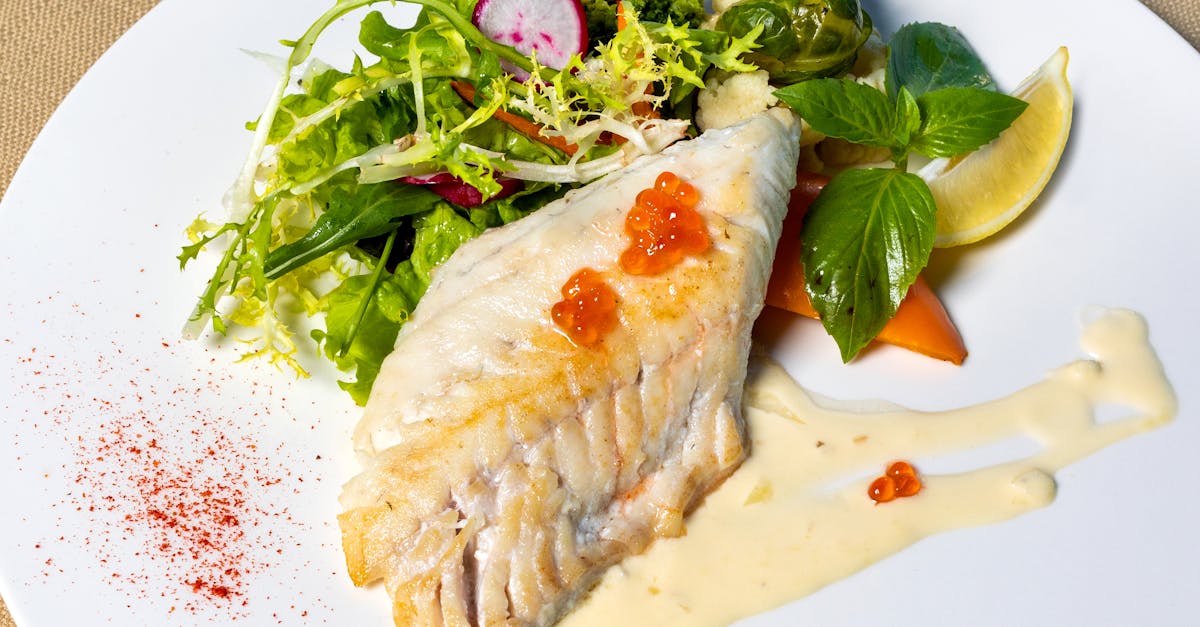
Frozen Fish vs. Fresh Fish
When comparing frozen fish to fresh fish, several factors come into play. Frozen fish is often caught and flash-frozen at sea, preserving its freshness and nutritional value better than some fresh fish that may spend long periods in transit. This method allows frozen varieties to maintain their flavour and texture, making them a convenient and reliable option.
Fresh fish is undeniably appealing due to its perceived quality and taste. The time between catch and consumption can significantly affect its freshness. While fresh fish offers unique culinary experiences, it requires careful handling and storage to avoid spoilage. In contrast, frozen fish provides the convenience of long shelf life and the ability to enjoy fish out of season without compromising on quality.
Key Differences in Taste and Quality
Taste is often the defining factor when choosing between frozen and fresh fish. Fresh fish generally boasts a firmer texture and a more pronounced flavour, thanks to the optimal conditions of immediate storage and quick consumption. In contrast, the freezing process, while preserving many of the fish's natural qualities, can slightly alter its taste and texture. Some individuals find that frozen fish, especially when properly thawed and cooked, can still deliver a satisfying experience, although the nuances might not match those of freshly caught varieties.
Quality can vary significantly across both categories. Fresh fish, if sourced from reputable suppliers, often retains its superior quality, allowing for discerning palates to appreciate the subtle differences in species. However, advancements in freezing technology have improved the quality of frozen fish over the years. Fish that is immediately frozen post-catch can maintain almost all its nutritional value and freshness. Care must be taken to choose high-quality frozen options, as not all brands adhere to the same standards of preservation.
Best Frozen Fish Brands to Consider
When selecting frozen fish, discerning quality is essential. The market boasts several reputable brands known for their commitment to sustainability and freshness. These brands often source their fish from responsible fisheries, ensuring that customers enjoy both flavourful and environmentally conscious choices. Popular options include those that provide a wide variety of species, catering to diverse culinary preferences.
Another consideration is the packaging and preparation methods employed by these brands. Some producers offer ready-to-cook options that cater to busy lifestyles, while others emphasise traditional methods that preserve taste and texture. Consumers can also look for brands that provide clear information on where the fish is sourced, as transparency is becoming increasingly important for health-conscious shoppers. Selecting a well-regarded brand can make a significant difference in the dining experience.
TopRated Brands Reviewed
Among the leading brands in the frozen fish market, Gorton’s stands out for its variety and quality. Their offerings include well-seasoned fish fillets and ready-to-cook seafood products. Customers often appreciate the convenient packaging and consistent flavour. The brand has garnered positive reviews for maintaining freshness and a crisp texture upon cooking, making it a reliable choice for many households.
Another notable brand is Birds Eye, known for its extensive range of frozen fish options, including sustainable choices. Their fish is often praised for its flaky, tender texture and the use of high-quality ingredients. Consumers highlight the convenience of quick meal preparation with Birds Eye products while enjoying a taste that rivals fresh options. Their commitment to sustainability and sourcing practices further enhances their reputation in the frozen fish market.
BudgetFriendly Frozen Fish Options
When it comes to frozen fish, there are several options that won’t break the bank. Supermarkets frequently offer store-brand varieties that maintain good quality while being more affordable than premium brands. Items like frozen cod fillets or haddock portions can provide a nutritious meal at a fraction of the price. These options are often packaged in bulk, making them ideal for families looking to save on groceries.
Shopping at discount retailers can also yield great savings without sacrificing quality. Many budget-friendly brands offer a selection of frozen fish that have been flash-frozen to preserve flavour and texture. Look for favourites like pollock or tilapia, which are usually less expensive while offering a versatile base for various recipes. Incorporating these affordable frozen fish options into weekly meal plans can help maintain a balanced diet without overspending.
Affordable Choices for Every Household
Frozen fish provides an accessible option for families looking to maintain a nutritious diet without stretching the budget. Certain brands offer quality frozen fish at competitive prices, ensuring affordability doesn't compromise the health benefits. Products such as frozen haddock fillets and pollock are often available at reasonable rates, making them suitable choices for those seeking economical meal options. Many supermarkets feature their own lines of frozen seafood, which can be both cost-effective and tasty.
For households on a tighter budget, buying in bulk can yield substantial savings. Larger bags of mixed seafood or single-variety fillets often come with a lower price per portion. This approach not only reduces the cost but also encourages creativity in meal preparation. With a variety of sauces and seasonings, even the most modest frozen fish can be transformed into a delightful dish, appealing to both adults and children alike.
FAQS
Is frozen fish as nutritious as fresh fish?
Yes, frozen fish can be just as nutritious as fresh fish. When properly frozen, fish retains its vitamins and minerals, making it a healthy option.
How do I choose the best frozen fish?
Look for reputable brands, check for quality indicators like wild-caught or sustainably sourced labels, and ensure the fish is properly packaged and has no freezer burn.
Can I cook frozen fish without thawing it first?
Yes, many types of frozen fish can be cooked directly from frozen, although cooking times may need to be adjusted. Always ensure the internal temperature reaches a safe level.
What are some budget-friendly frozen fish options?
Options such as frozen cod, tilapia, and salmon can often be found at reasonable prices. Look for store brands or bulk purchases for additional savings.
How should I store frozen fish to maintain its quality?
Store frozen fish in the coldest part of your freezer, ideally at or below -18°C (0°F). Keep it in its original packaging or place it in an airtight container to prevent freezer burn.
Related Links
Review of Popular Brands of Frozen Haddock FilletHow to Incorporate Frozen Haddock Fillet into Your Diet
Historical Overview of Haddock as a Culinary Ingredient
10 Benefits of Eating Frozen Haddock Fillet
Why Choose Frozen Haddock Over Other Fish
Why is Frozen Haddock Fillet a Healthy Choice
What Nutrients are Found in Frozen Haddock Fillet