What to serve with poached frozen haddock fillet
Flavourful Herbs and Seasonings
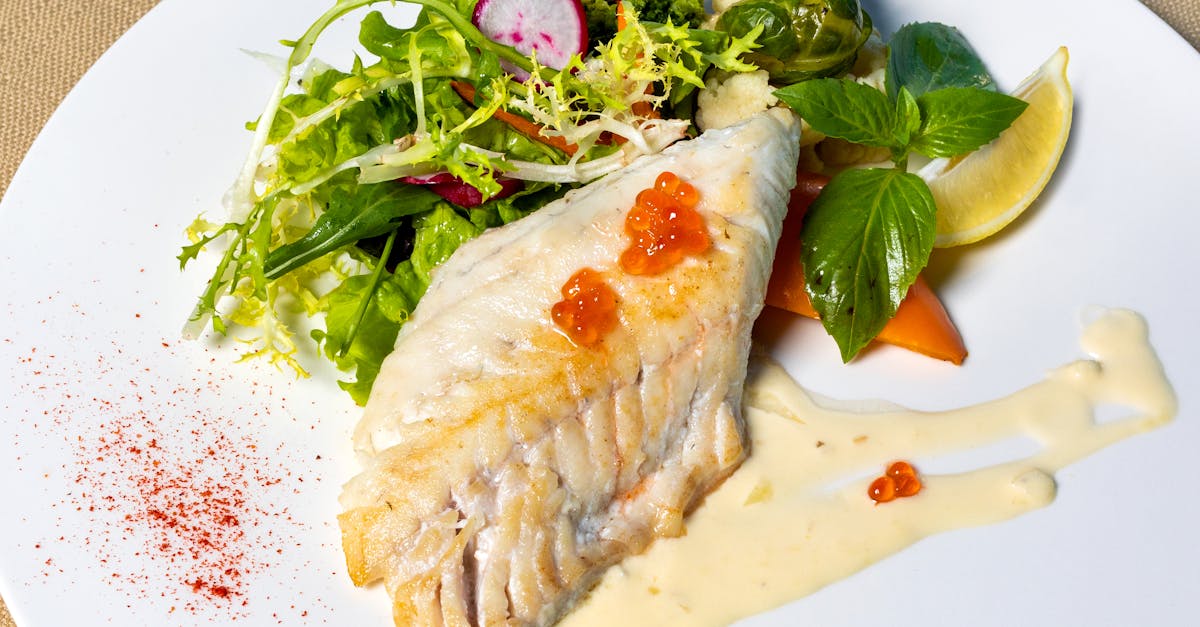
Fresh herbs elevate the delicate flavour of poached haddock, offering a burst of freshness to each bite. Dill stands out as a classic pairing, with its unique anise-like notes complementing the fish beautifully. A sprinkle of freshly chopped dill can add a bright, aromatic quality that enhances the overall dish. Parsley, with its mild flavour and vibrant colour, serves as another excellent herb. It provides a subtle contrast, making the plate visually appealing while adding a hint of earthiness.
In addition to herbs, various seasonings can be employed to add complexity to the dish. A squeeze of lemon juice not only brightens the flavours but also cuts through the richness of the fish. Adding a touch of sea salt and freshly cracked black pepper will enhance the natural taste of the haddock, allowing its delicate profile to shine. For those who enjoy a bit of heat, a dash of red pepper flakes can introduce a pleasant warmth without overwhelming the fish's mild essence.
Fresh Dill and Parsley
The subtle flavours of dill and parsley can elevate poached haddock in delightful ways. Dill offers a slightly tangy and sweet aroma, complementing the fish's delicate taste. Fresh parsley adds a refreshing green note, enhancing both presentation and flavour. Chopping these herbs finely before sprinkling them over the haddock provides an exciting visual appeal and a burst of freshness with each bite.
Incorporating these herbs can be done easily. A simple herb butter, combining softened butter with finely chopped dill and parsley, can be slathered over the poached fillet right before serving. Alternatively, a light sprinkle of the fresh herbs as a garnish just before presenting can create an inviting dish that showcases the beautiful fish.
Light Appetisers Before the Main Course
Starting a meal with light appetisers sets the stage for a delightful dining experience. Consider serving bruschetta topped with fresh tomatoes and fragrant basil. This combination brings a burst of flavour and freshness that complements the subtle notes of poached haddock. The crispness of toasted bread adds texture, making it an appealing choice for guests.
Alternatively, a simple salad featuring mixed greens and a light vinaigrette can provide a refreshing contrast. Adding a hint of citrus in the dressing elevates the dish, enhancing the overall lightness of the meal. Both options serve as an excellent prelude, ensuring that the palates are prepared for the main course while keeping the dining experience elegant and restrained.
Bruschetta with Tomato and Basil
This classic Italian starter complements the delicate flavour of poached haddock beautifully. The combination of ripe tomatoes, fragrant basil, and a drizzle of extra virgin olive oil creates a refreshing contrast to the fish. A sprinkle of salt and a hint of balsamic vinegar can elevate the flavours, making each bite a tantalising experience.
Preparing bruschetta is straightforward, allowing for easy assembly right before serving. Toast slices of crusty bread until golden and crunchy, then top them with the tomato-basil mixture. This appealing dish not only adds a vibrant splash of colour to the table but also serves as a delightful way to whet the appetite without overshadowing the main course.
Wine Pairings for Poached Haddock
Selecting the right wine can enhance the dining experience when enjoying poached frozen haddock fillet. Crisp white wines often complement the delicate flavours of the fish. Sauvignon Blanc, particularly one from the Marlborough region, offers vibrant acidity and refreshing citrus notes. This balance works wonderfully with the subtlety of the haddock, highlighting its natural taste without overpowering it.
Another excellent choice is a light-bodied Pinot Grigio. Its clean and fruity profile pairs nicely with the textures of the fish, providing a thirst-quenching refreshment. The slight minerality in some varietals can further elevate the dish, making each bite more enjoyable. Opting for these wine varieties not only enhances the meal but also sets the tone for a delightful culinary experience.
Crisp White Wines
The delicate flavours of poached haddock are beautifully complemented by crisp white wines that enhance its subtlety without overpowering it. A Sauvignon Blanc, with its zesty acidity and notes of green apple and citrus, can invigorate the palate while providing a refreshing contrast to the fish's mild taste. Alternatively, a dry Riesling brings in a hint of sweetness balanced with a trademark acidity, making it an excellent partner for seafood dishes like this.
Chablis also stands out as a noteworthy choice, offering a minerally quality that pairs well with the soft textures of haddock. Its light body and fresh finish make it particularly appealing for those seeking a more sophisticated option. Each of these wines not only accentuates the poached fish but also elevates the overall dining experience, inviting a delightful exploration of flavours.
FAQS
What herbs pair well with poached frozen haddock fillet?
Fresh dill and parsley are excellent choices for enhancing the flavour of poached frozen haddock fillet.
What light appetisers can I serve before the main course of poached haddock?
Bruschetta with tomato and basil is a delightful light appetiser that complements the dish well.
What type of wine is recommended to pair with poached haddock?
Crisp white wines, such as Sauvignon Blanc or Pinot Grigio, are ideal for pairing with poached haddock.
Can I use dried herbs instead of fresh herbs for poached haddock?
Yes, you can use dried herbs, but fresh herbs tend to provide a brighter and more vibrant flavour.
How can I enhance the taste of poached frozen haddock fillet?
Enhancing the taste can be achieved by using flavourful herbs and seasonings, serving it with light appetisers, and selecting a suitable wine pairing.
Related Links
Why you should try poaching frozen haddock filletWhy steaming frozen haddock fillet is beneficial
Roundup of cooking methods for frozen haddock fillet
Review of the best frozen haddock fillet brands
10 best recipes for cooking frozen haddock fillet
Historical significance of haddock in British cuisine
What to know about frying frozen haddock fillet