10 best recipes for cooking frozen haddock fillet
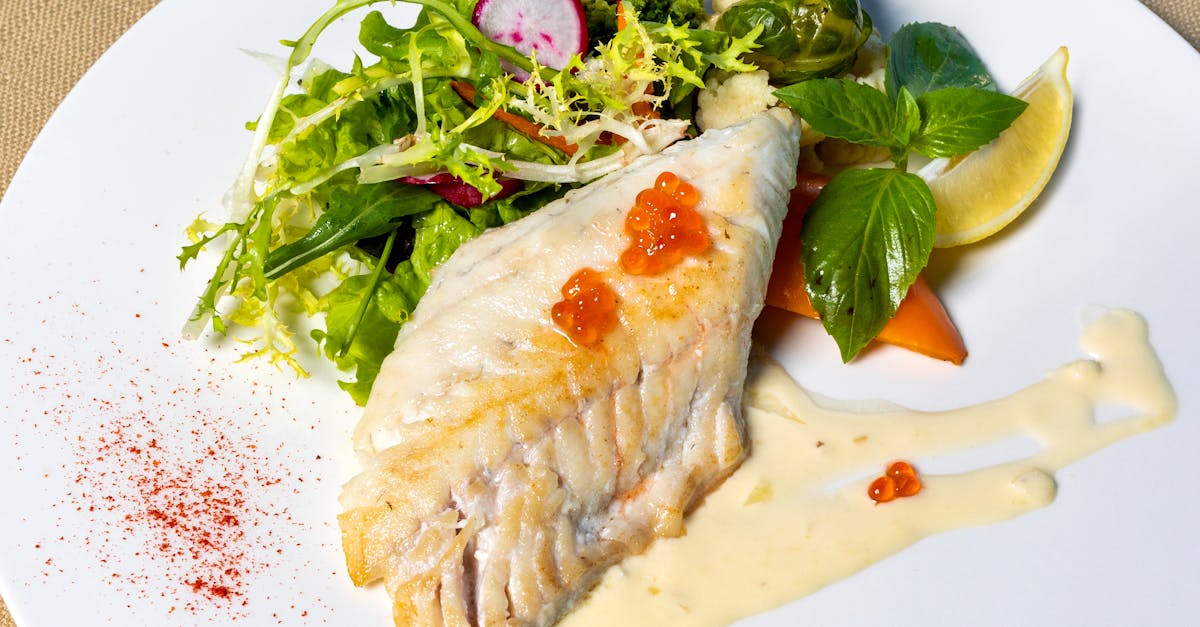
Haddock and Chips
A classic British dish, this recipe pairs the delicate flavour of haddock fillet with crispy chips, creating a satisfying meal that's beloved by many. To prepare, start by thawing the frozen haddock fillets. This can easily be done overnight in the fridge. Once defrosted, you may choose to pat them dry with a paper towel for the best result.
The key to achieving the perfect finish lies in the batter. A light and crispy coating enhances the haddock without overwhelming its natural taste. Traditional recipes may call for a straightforward flour and water batter, but adding a touch of baking powder or using sparkling water can elevate the texture. Serve the crispy haddock alongside chunky chips and a wedge of lemon for a quintessentially British experience.
Making the Perfect Batter
A crisp and light batter can elevate frozen haddock fillet, ensuring a delightful crunch that contrasts beautifully with the tender fish beneath. For the ideal consistency, combine plain flour with a pinch of salt and a touch of baking powder. Gradually whisk in cold sparkling water or beer until the mixture reaches a smooth and slightly thick texture. The carbonation from the liquid helps create an airy batter that puffs up when fried.
When frying, it’s best to keep the oil at a steady temperature. Heat the oil until it shimmers, then test with a small amount of batter; it should sizzle upon contact. Carefully dip the thawed haddock fillet into the batter, allowing any excess to drip off. Gently lower it into the hot oil, cooking until golden brown and crispy. The result will be haddock coated in a light, mouth-watering batter, perfect for serving with chips or a side of mushy peas.
Mediterranean Baked Haddock
Baking frozen haddock in a Mediterranean style infuses the fish with vibrant flavours. A mix of fresh vegetables, herbs, and a splash of olive oil creates a delicious base. Cherry tomatoes, bell peppers, and black olives work exceptionally well. These ingredients not only enhance the taste but also add colour to the dish. Season the fish with salt, pepper, and perhaps a hint of lemon zest for brightness.
Begin by preheating your oven to a suitable temperature, typically around 200°C. Arrange the vegetables on a baking tray drizzled with olive oil. Place the thawed haddock fillet on top, ensuring it sits snugly among the veggies. Bake for about 20-25 minutes, checking until the fish flakes easily with a fork. For an extra touch, garnish with fresh parsley or basil just before serving to enhance the Mediterranean essence.
Marinating Techniques and Serving Ideas
Creating a marinade for haddock can enhance its delicate flavour significantly. A classic option involves combining olive oil, lemon juice, garlic, and fresh herbs like parsley or dill. This blend adds a zesty note while keeping the fish moist during baking. Allow the haddock to marinate for at least 30 minutes to ensure the flavours infuse properly. For a twist, consider using a mixture of soy sauce and ginger, which imparts an Asian flair and complements the fish beautifully.
When serving marinated haddock, presentation is key. A bed of sautéed vegetables, such as courgettes, bell peppers, and cherry tomatoes, can add colour and texture to the plate. Drizzling with a balsamic reduction offers an elegant finish. For a more casual meal, consider pairing the fish with a refreshing salad or some fluffy rice to soak up the delicious juices. This creates a well-rounded dish that appeals to various palates while showcasing the haddock perfectly.
Haddock Curry
Cooking frozen haddock fillet in a fragrant curry can transform a simple meal into something special. Start by thawing the fillet before cutting it into bite-sized pieces. A basic curry sauce can be made by sautéing onions, garlic, and ginger in a pan, followed by the addition of spices such as cumin, coriander, and turmeric for that authentic flavour. For extra depth, include diced tomatoes and coconut milk to create a rich, creamy base.
Once your sauce simmers gently, stir in the haddock pieces and allow them to cook through until they're flaky. Serve this vibrant dish over fluffy basmati rice or with naan bread to soak up the delicious sauce. Enhance the meal with fresh herbs, such as coriander or mint, and perhaps a squeeze of lime to add brightness. This hearty dish offers a perfect balance of warmth and comfort, making it an excellent choice for any dinner table.
Spices and Accompaniments
When preparing haddock curry, the right blend of spices can elevate the dish to new heights. Common choices include turmeric, cumin, coriander, and garam masala. These spices work harmoniously, infusing the fish with warmth and depth. A pinch of chilli powder can be added for those who prefer a bit of heat. Fresh herbs like cilantro can also be sprinkled on top before serving to add a burst of freshness that complements the rich flavours of the curry.
Accompaniments play a crucial role in balancing the dish. Serving the curry with fluffy basmati rice is a popular choice, as it absorbs the fragrant sauce beautifully. Additionally, naan or pita bread offers a delightful way to scoop up the curry. A cooling side of cucumber and mint raita can counterbalance the spice, providing a refreshing finish. Experimenting with these sides can create a well-rounded meal that showcases the delightful taste of cooked frozen haddock fillet.
FAQS
Can I cook frozen haddock fillets without thawing them first?
Yes, you can cook frozen haddock fillets without thawing them. Just ensure to adjust the cooking time accordingly, usually adding a few extra minutes to ensure they are cooked through.
What are some good sides to serve with haddock?
Popular sides to serve with haddock include chips, rice, steamed vegetables, or a fresh salad. You can also consider serving it with tartar sauce or a lemon wedge for added flavour.
How do I know when haddock is cooked properly?
Haddock is properly cooked when it flakes easily with a fork and has an internal temperature of 63°C (145°F). The flesh should be opaque and no longer translucent.
What can I do if I don’t have all the spices needed for the haddock curry?
If you don't have all the spices for the haddock curry, you can substitute with similar spices you have on hand or use a pre-made curry powder. Adjust the quantities to taste.
Can I use other types of fish in these recipes instead of haddock?
Yes, you can substitute haddock with other white fish such as cod, pollock, or tilapia. However, cooking times may vary depending on the thickness and type of fish used.
Related Links
Review of the best frozen haddock fillet brandsHistorical significance of haddock in British cuisine
Roundup of cooking methods for frozen haddock fillet
Why you should try poaching frozen haddock fillet