What to Serve with Grilled Frozen Haddock FilletHow to bake frozen haddock fillet for perfect results
Unique Garnishes to Elevate Your DishCooking Time and Temperature
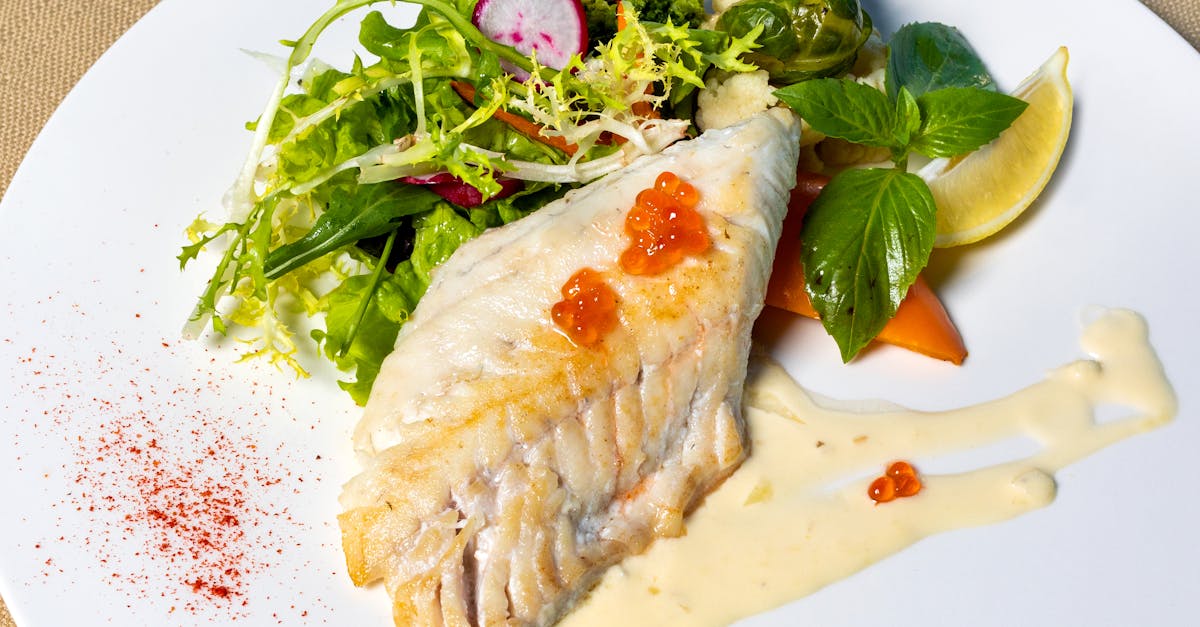
Enhancing grilled frozen haddock fillet with unique garnishes can transform a simple meal into a culinary delight. Consider using a drizzle of balsamic reduction to add a touch of sweetness and acidity, beautifully complementing the fish's natural flavours. Pomegranate seeds provide a burst of colour and tartness, bringing an exciting contrast with each bite. Finely chopped chives or microgreens can also add a fresh, vibrant finish, elevating the presentation and taste of the dish.When baking frozen haddock fillets, preheating the oven is essential. Set the temperature to 200 degrees Celsius (or 400 degrees Fahrenheit) for optimal cooking. Place the fillets on a baking tray lined with parchment paper, ensuring they are spaced apart to allow even heat distribution. Cooking times will vary slightly based on thickness, but a general guideline is to bake for approximately 20 to 25 minutes.
Another option includes roasted cherry tomatoes, which offer a sweet and juicy element. Their warm, caramelised nature pairs well with the flaky texture of the haddock. Adding slivers of preserved lemon can introduce a zesty brightness that works harmoniously with the fish. For a final touch, a sprinkle of smoked sea salt can enhance the overall flavour profile, providing a subtle hint of smokiness that resonates with the grilled preparation.Monitoring the cooking process can enhance the final result. Fillets are best cooked until they achieve a light golden colour on the outside. For thicker pieces, extend the time slightly if necessary, but avoid overcooking, as this can lead to dryness. Using a food thermometer can be beneficial, aiming for an internal temperature of around 62 degrees Celsius (145 degrees Fahrenheit) for perfectly cooked fish.
Herb and Citrus Zest IdeasGuidelines for Perfectly Cooked Fish
A vibrant herb sauce can enhance the flavours of grilled haddock fillet, adding both freshness and complexity. Consider a chimichurri made with parsley, oregano, and garlic, blended with olive oil and vinegar. This zesty sauce not only complements the fish but also brings a punch of vibrant colour to the plate. Alternatively, a basil pesto offers a rich, nutty element that pairs beautifully, with the option of adding lemon juice for a citrusy kick.When baking frozen haddock fillets, ensuring a uniform thickness helps achieve consistent cooking results. Thinner portions may cook faster, while thicker sections require additional time. To aid in even cooking, consider arranging the fillets on a baking tray lined with parchment paper. This will not only prevent sticking but also allow for better heat distribution.
Citrus zests such as lemon, lime, or grapefruit provide a bright contrast to the flakiness of the haddock. Grating the zest over the finished dish can amplify the aroma and add an appealing freshness. Combining citrus segments with herbs for a garnish brings a rustic charm to the meal. A light drizzle of citrus-infused olive oil can create a finishing touch that elevates the overall presentation and taste experience.Using a reliable kitchen thermometer can be instrumental in attaining the perfect level of doneness. The internal temperature of the fish should reach approximately 63 degrees Celsius. This temperature guarantees that the flesh is opaque and flakes easily with a fork. If you’re unsure about the texture, a little practice will help you develop an instinct for how the perfect haddock should feel.
Ideas for a Complete Grilled DinnerChecking for Doneness
Creating a well-rounded dining experience complements the grilled frozen haddock fillet beautifully. Consider pairing it with seasonal vegetables, lightly charred for added flavour. Zucchini, bell peppers, and asparagus could provide a vibrant and colourful plate. Drizzling them with olive oil and a pinch of sea salt before grilling enhances their natural sweetness and adds depth to the meal.Determining if frozen haddock fillet is fully cooked requires keen attention to its texture and colour. Once the fish reaches an internal temperature of 63°C (145°F), it should flake easily with a fork. The flesh will transition from a translucent, shiny appearance to a more opaque and pale colour. This visual cue is essential to ensure that the fish is not undercooked, as a glossy, translucent centre indicates that it may require more time in the oven.
For a starch component, fluffy garlic-infused quinoa or herb-roasted potatoes work wonderfully alongside the fish. Both options offer a satisfying contrast to the protein and can be seasoned with fresh herbs to echo the flavours of the haddock. Including a crisp green salad dressed with a tangy vinaigrette can further balance the meal, adding brightness and a refreshing crunch to each bite.Another reliable method to check for doneness involves using a food thermometer. Insert the thermometer into the thickest part of the fillet, avoiding any bones. If the temperature registers at 63°C, the haddock is ready to serve. If not, additional cooking time is necessary. Once cooked, let the fillet rest for a few minutes before serving to allow the juices to redistribute, enhancing the overall flavour and texture.
Building a FullCourse MealHow to Assess if It's Fully Cooked
Creating a full-course meal around grilled frozen haddock fillet involves careful selection of complementary dishes. Begin with a starter that contrasts the fish's flavour, such as a light soup or a crisp salad. A classic choice is a refreshing cucumber and mint salad, which can cleanse the palate and excite the taste buds. For the main course, consider pairing the grilled haddock with seasonal vegetables roasted to perfection, enhancing the dish’s overall appeal. Determining the doneness of frozen haddock fillet requires attention to both colour and texture. Properly cooked fish will change from a translucent to an opaque appearance. The flesh should flake easily when gently pressed with a fork. If the fish still appears shiny or feels gummy, it likely needs more time in the oven.
A starch component can elevate the meal further. Options like herbed quinoa or fluffy wild rice provide a delightful texture and flavour. To round off the dining experience, a light dessert works well. A zesty lemon sorbet or a fruit salad with a hint of mint can harmonise with the fish without overpowering it. This thoughtful approach ensures each course plays a role in creating a memorable dining experience.Using a food thermometer can provide a reliable check for safety and quality. The internal temperature should reach 63°C (145°F) to ensure that harmful bacteria are eliminated. Additionally, observing the fish at the thickest part can give a clear indication of doneness. When it’s even throughout with no raw sections, it’s ready to be enjoyed.
Light Appetisers to Start Your MealServing Suggestions
Starting your meal with light appetisers not only sets the tone for the main course but also whets the appetite without overwhelming the palate. Consider small, vibrant dishes like a refreshing cucumber and mint salad. This simple combination offers crispness, ideal for cleansing the palate and preparing it for the rich flavours of grilled haddock. Alternatively, you could serve a seasonal tomato salad drizzled with balsamic reduction, highlighting the sweetness of the tomatoes while providing a tangy contrast.When planning a meal centred around frozen haddock fillet, consider pairing it with bright, seasonal vegetables. Steamed asparagus, roasted cherry tomatoes, or sautéed spinach can enhance the dish's presentation and flavour. A simple drizzle of olive oil and a sprinkle of lemon zest can elevate these sides, complementing the fish’s natural taste while adding a touch of freshness.
Bruschetta serves as another delightful option for an appetiser. Toppings can vary widely to accommodate different tastes; try topping toasted bread with altised garlic and roasted peppers for a smoky depth. Finishing with a sprinkle of fresh herbs enhances the presentation and flavours, creating an attractive starter that pairs beautifully with seafood. For a twist, introducing different cheeses can elevate traditional bruschetta, giving guests a variety of textures and tastes to enjoy before the main event.Accompanying sauces can also play a significant role in creating an enticing dining experience. A light mustard dill sauce or a zesty tartar sauce can enhance the haddock’s richness without overpowering it. For those seeking a more exotic twist, a mango salsa adds a burst of tropical flavour that contrasts beautifully with the fish. Whether serving it on a bed of rice, alongside a crisp salad, or with some buttery potatoes, the options for a delightful meal are plentiful.