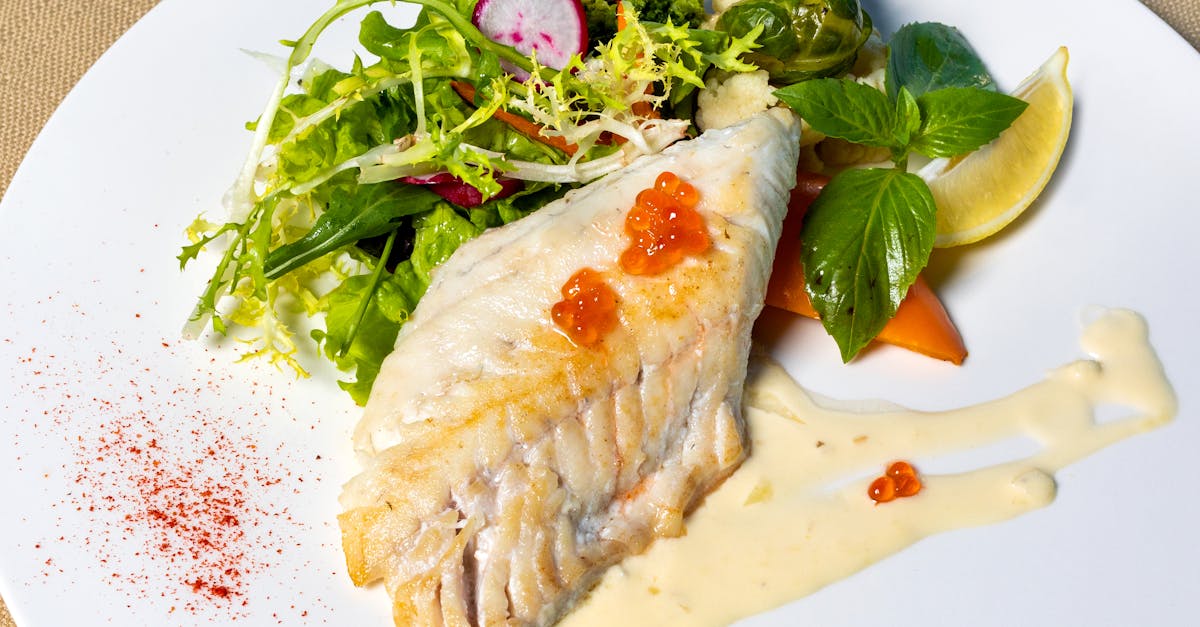
Beyond cardiovascular benefits, fish consumption also positively impacts cognitive function. Omega-3 fatty acids are known to play a crucial role in brain health, potentially reducing the risk of cognitive decline and conditions like Alzheimer's disease. Research suggests that diets rich in fish may contribute to better memory and overall mental clarity. Including frozen haddock among other fish options could serve as a delicious way to support both heart health and mental acuity.Frozen haddock fillets can be prepared using various cooking techniques that enhance their natural flavour and texture. Baking is a popular method; it allows the fish to cook evenly while maintaining moisture. Simply preheat the oven, season the fillets, and place them in a baking dish. Adding a drizzle of olive oil or a pat of butter can further enrich the dish. Alternatively, pan-frying provides a crisp exterior while keeping the interior tender and flaky. Using medium heat ensures that the fillets cook through without becoming overly dry.
Grilling offers a delightful smoky flavour that pairs well with the mild taste of haddock. This technique requires marinating the fillets beforehand to infuse additional flavour. Thaw the fish before grilling for better results. Steaming is another excellent method, preserving the fish’s moisture and nutrients. This approach is suitable for those seeking a healthier option, as it requires no added fats. Whichever method is chosen, ensuring the fish reaches a safe internal temperature is crucial for enjoyment and safety.Frozen Haddock vs. Other Fish Varieties
Best Techniques for Optimal TasteWhen assessing various fish options, frozen haddock stands out due to its mild flavour and versatile nature. Unlike some stronger-tasting fish, its subtle taste allows it to easily adapt to different cuisines, making it suitable for a wide range of dishes. This adaptability can encourage more frequent consumption of fish, contributing to a balanced diet. Additionally, frozen haddock retains its nutritional value through the freezing process, ensuring that it is as beneficial as fresh alternatives.
To achieve optimal taste when cooking frozen haddock fillets, start by thawing them properly. Place the fillets in the refrigerator overnight for a gradual defrost. This method ensures even cooking and helps retain the fillets' natural texture. If time is of the essence, a quick thaw can be accomplished under cold running water. Once thawed, pat them dry with a paper towel to remove excess moisture and promote better browning during cooking.A comparison with popular varieties like cod and salmon highlights some notable differences. Cod is often celebrated for its texture and is a favourite in dishes such as fish and chips. Salmon, rich in Omega-3 fatty acids, offers significant health benefits but can come at a higher price point. Frozen haddock, however, provides a cost-effective option without compromising on essential nutrients, making it an excellent choice for those looking to increase their fish intake affordably.
Cooking methods significantly influence flavour and overall enjoyment. Baking fillets in the oven can yield moist results while also allowing for the infusion of herbs and spices. Another excellent technique is pan-searing, which creates a delightful crust while keeping the interior flaky and tender. Regardless of the method chosen, keep cooking times in mind to avoid overcooking; haddock is best when it remains moist and juicy, with just a hint of flakiness.Nutritional Comparison with Cod and Salmon
FAQSHaddock is often compared with cod and salmon, two popular choices among seafood lovers. In terms of caloric content, haddock is usually lower than both cod and salmon, making it a suitable option for those seeking to manage their weight. It offers a moderate protein content, similar to that of cod, while being significantly lower in fat. This characteristic makes haddock an appealing choice for health-conscious individuals, especially those looking to reduce saturated fat intake.
What should I look for when exploring different brands of frozen haddock fillets?When considering omega-3 fatty acids, salmon takes the lead, providing a robust amount beneficial for heart health. Cod also offers some omega-3s but in lesser quantities than salmon. Haddock contains minimal omega-3s compared to both these fish, yet it is still a rich source of lean protein and a variety of essential vitamins and minerals. Its nutritional profile may not be as rich in healthy fats, but it compensates with a host of vitamins, including B12, which plays a crucial role in energy metabolism.
When exploring different brands, consider factors such as brand reputation, customer reviews, sourcing practices, and whether the fillets are sustainably caught.Cooking Tips for Perfect Frozen Haddock
How can I assess the reputation of a frozen haddock brand?When preparing frozen haddock, proper thawing is crucial to maintain the fish’s texture and flavour. It’s best to move the haddock from the freezer to the refrigerator the night before cooking, allowing it to thaw slowly. If you're short on time, submerge the sealed haddock in cold water for about an hour. Avoid using hot water or the microwave to defrost the fish, as these methods can lead to uneven thawing and a compromised texture. Once thawed, pat the fish dry with a paper towel to remove excess moisture, which helps achieve a nice sear when cooking.
You can assess a brand's reputation by reading customer reviews, checking ratings on retail websites, and looking for any certifications or endorsements from trusted organisations.Cooking techniques can significantly enhance the taste of frozen haddock. Baking and grilling are excellent options, as they allow the fish to cook evenly while retaining moisture. A drizzle of olive oil or a light seasoning of salt and pepper can elevate the flavour. For those who prefer frying, a light coating of breadcrumbs or a tempura batter can provide a delightful crunch. Ensure the fish is cooked through by checking that it flakes easily with a fork. Enjoy experimenting with herbs and spices to find the perfect complement to this versatile fish.
What is a good way to compare prices and value for frozen haddock fillets?Techniques for Thawing and Preparing Fish
To compare prices and value, calculate the cost per serving based on the package weight and serving size. This will help you identify which brands offer the best value for your money.To ensure the best texture and flavour, thawing frozen haddock should be done gradually. The safest method involves transferring the fish from the freezer to the refrigerator the night before you plan to cook it. This allows for even thawing and prevents the growth of harmful bacteria. If you're short on time, a cold water method can be effective. Place the haddock in a sealed plastic bag and submerge it in cold water, changing the water every 30 minutes until completely thawed.
What cooking methods are recommended for frozen haddock fillets?Preparing haddock for cooking is relatively simple, with various techniques to enhance its natural taste. Rinsing the fish under cold water removes any remnants of ice or packaging while patting it dry with kitchen towels helps achieve a better sear if pan-fried. Whether you choose to bake, grill, or pan-sear, seasoning is key. A sprinkle of salt, pepper, and a drizzle of lemon juice can elevate its delicate flavour. Additionally, marinating the fish for a short period can introduce new taste dimensions without overpowering its subtle character.
Recommended cooking methods include baking, grilling, pan-frying, and poaching. Each method can enhance the flavour and texture of the fish, depending on your preference.FAQS
Are there any tips for achieving optimal taste when cooking frozen haddock?What are the health benefits of including fish like frozen haddock in my diet?
For optimal taste, ensure the fillets are thoroughly thawed before cooking, season them well, and avoid overcooking to retain moisture and flavour. Using herbs, spices, or marinades can also enhance the dish.Regular consumption of fish, including frozen haddock, is associated with numerous health benefits such as improved cardiovascular health, enhanced cognitive function, and a reduced risk of chronic diseases.
How does frozen haddock compare nutritionally to other fish like cod and salmon? Nutritionally, frozen haddock is lower in fat than salmon but provides similar levels of protein. It also contains essential nutrients such as omega-3 fatty acids, albeit in lower amounts than salmon, making it a healthy option alongside cod.Related LinksWhat are some effective cooking tips for preparing frozen haddock?
What are the Macronutrients in Frozen Haddock FilletTo prepare frozen haddock, it's recommended to thaw it in the refrigerator overnight or use a cold water method. Cooking methods such as baking, grilling, or pan-searing can yield delicious results.How to Cook Frozen Haddock Fillets PerfectlyHow can I ensure that my frozen haddock stays fresh?
Review of the Best Frozen Haddock Fillets AvailableTo keep frozen haddock fresh, store it in the freezer at a consistent temperature, ideally at -18°C or lower. It's also important to check the packaging for any signs of freezer burn and to consume it before the expiration date.
8 Nutritional Benefits of Eating Frozen Haddock FilletIs frozen haddock as nutritious as fresh haddock?
Roundup of the Top Frozen Fish FilletsYes, frozen haddock can be just as nutritious as fresh haddock. The freezing process preserves its nutrients, making it a convenient and healthy option, especially when fresh fish is not readily available.
Historical Significance of Haddock in British Cuisine